Earning money on Instagram isn’t just for celebrities or mega influencers anymore. With the right strategy, creators of all sizes can monetize their content, audience, and expertise using tools built into the platform or external income streams like brand deals and affiliate links.
This updated 2026 guide walks you through everything you need to know to start earning—no fluff or unrealistic promises. Whether you’re a small creator looking to land your first partnership or a business owner turning followers into customers, you’ll find real methods that work in today’s Instagram ecosystem.
You’ll learn what monetization tools are available, what eligibility requirements matter, how much income to expect at different follower levels, and how to combine multiple income streams for stability.
Quick Summary: The Best Ways to Earn on Instagram
If you’re short on time or want a snapshot before diving in, here’s a breakdown of the most effective Instagram monetization methods available today. These include both built-in tools and external income streams, making it possible for creators of all sizes and niches to generate revenue.
| Method | Best For | Requirements | Income Potential |
|---|---|---|---|
| Brand Deals | Influencers, niche creators | Active profile, media kit, engaged audience | $50–$5,000+ per campaign |
| Creator Marketplace | Mid to large creators | Invite-only or application via Instagram | Varies widely |
| Affiliate Marketing | Reviewers, lifestyle creators | Affiliate network access, strategic links | $0.10–$2+ per click/sale |
| Instagram Subscriptions | Loyal fanbase creators | 10K+ followers, policy-compliant | $0.99–$9.99/month per user |
| Instagram Gifts & Badges | Live streamers, Reel creators | Professional account, eligible region | Small tips, scalable volume |
| Selling Products via Shop | Brands, ecommerce sellers | Product catalog, IG Shop approval | Product-dependent |
| Services (Coaching/Consulting) | Experts, educators, solopreneurs | Clear offer, trust-building content | $50–$1,000+ per client |
| Digital Products (Courses, eBooks) | Thought leaders, artists | Downloadable product, payment system | $10–$500+ per item |
| UGC for Brands | Aspiring creators, low-follower accts | Portfolio, pitching, relevant niche | $50–$500+ per deliverable |
Use this table as a guide to choose the method—or combination—that fits your niche, audience size, and content strengths.
Instagram Monetization: How It Works in 2026
Instagram’s monetization ecosystem has expanded significantly. Whether you’re a creator, business owner, or side-hustler, you now have access to multiple earning paths—some built directly into the platform, others driven by external partnerships and product sales.
There are two main categories:
1. Built-in monetization tools: These are features offered by Instagram itself. They include Subscriptions, Badges during live videos, Gifts on Reels, the Creator Marketplace, and affiliate tagging. Each has eligibility requirements and is subject to Instagram’s Partner Monetization Policies.
2. Off-platform monetization methods: These include brand sponsorships, affiliate marketing using third-party platforms, and selling products, services, or digital goods directly to your audience using Instagram for traffic and trust-building.
For readers who want a more structured walkthrough, this article offers a step-by-step breakdown of Instagram monetization options and requirements.
Instagram Monetization Eligibility & Requirements (2026)
Before you can start earning money through Instagram’s built-in tools, your account needs to meet certain eligibility criteria. These requirements help Instagram ensure compliance, quality, and safety across its monetization ecosystem.
Account Type and Settings
You must switch to either a creator or business account. Personal accounts don’t have access to monetization features like Subscriptions, Badges, or affiliate tagging. Additionally, your account must be set to public to ensure content visibility and reach.
Policy Compliance
Instagram enforces strict adherence to its Partner Monetization Policies and Community Guidelines. Violations—such as misleading content, hate speech, copyright infringement, or fake engagement—can disqualify you from monetization or lead to account penalties.
General Eligibility Requirements
Depending on the monetization feature, requirements may include:
-
Age 18+
-
Minimum follower count (e.g. Subscriptions require 10,000+ in most regions)
-
High engagement and consistent posting history
-
Located in a supported region for the feature
Instagram may also conduct periodic reviews to maintain quality control. Being eligible once doesn’t guarantee ongoing access.
Regional Differences
Some features—like Gifts, the Creator Marketplace, or in-app Shops—are only available in select countries. If you don’t see certain options in your settings, check for app updates, switch to a creator account, and consult Instagram’s help pages to confirm feature availability in your location.
How Much Money Can You Make on Instagram? (Realistic Earnings)
Instagram income varies widely depending on your audience size, engagement rate, niche, and monetization method. There’s no fixed payout formula, but here’s what creators typically earn in 2026.
If you want a clearer breakdown of payouts and expectations, this guide explains how Instagram creator earnings actually work across different monetization methods.
Earnings by Follower Tier
| Follower Range | Typical Monthly Income | Primary Monetization Paths |
|---|---|---|
| 1,000 – 10,000 | $100 – $1,000 | Affiliate links, UGC, small brand deals |
| 10,000 – 50,000 | $500 – $5,000 | Sponsored posts, Subscriptions, digital products |
| 50,000 – 200,000 | $1,000 – $10,000+ | Brand deals, IG Shops, Creator Marketplace |
| 200,000 – 1M+ | $5,000 – $50,000+ | Large brand campaigns, merchandise, licensing |
These numbers are general estimates. Engagement rate, content quality, niche demand, and audience trust often matter more than raw follower count. If niche selection is a factor, this breakdown shows which Instagram niches tend to monetize best based on audience demand and brand interest.
What Impacts Income Most
-
Niche value: Finance, fitness, parenting, and fashion niches typically attract higher-paying brand partners.
-
Engagement: A smaller account with high engagement may earn more than a larger, inactive one.
-
Format choice: Reels and Stories drive higher conversions than static posts.
-
Audience geography: Brands often pay more for U.S., U.K., and top-tier market audiences.
Monetization is not instant—it grows with consistency, smart positioning, and diversified income streams.
Method 1: Brand Deals (Sponsored Posts & Partnerships)
Collaborating with brands is one of the most popular and profitable ways to earn money on Instagram. Whether you’re a micro-influencer or a large creator, sponsored content lets you monetize your audience by promoting products or services in exchange for payment, gifts, or commissions.
How to Get Brand Deals
Start by defining your niche and building a consistent content style that attracts a target audience. Brands look for creators who align with their values and speak to the right demographic.
You can find brand deals by:
-
Reaching out directly through email or DMs
-
Joining influencer marketing platforms (like Aspire, BrandConnect, or Collabstr)
-
Being discoverable through the Creator Marketplace (invite-only or application-based)
Having a professional presence increases your chances. This includes optimized bio links, quality visuals, and a clear content theme.
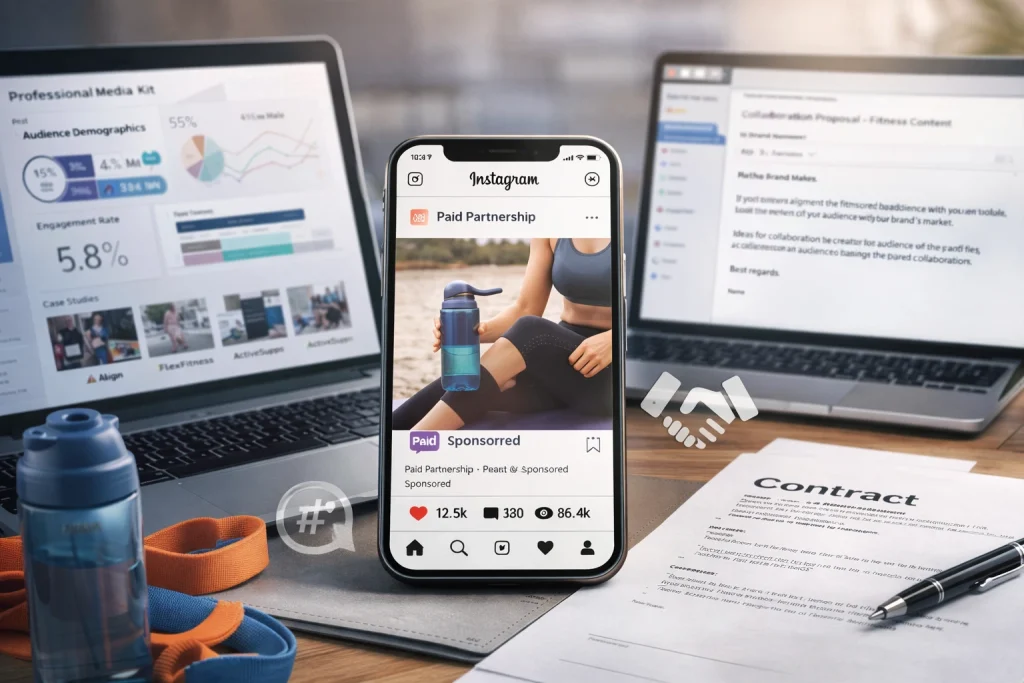
Media Kit Essentials
A media kit is your resume. It should include:
-
Follower count and engagement rate
-
Audience demographics (age, gender, location)
-
Content examples and past brand collaborations
-
Clear package tiers (e.g. 1 post + 2 Stories for $X)
Keep it concise, visually clean, and easy to scan. Use a PDF format or a one-pager hosted via Google Drive or Notion.
Disclosures and Compliance
Always disclose paid partnerships. Instagram provides a Paid Partnership label you can activate when tagging a brand. In addition, include hashtags like #ad or #sponsored to comply with FTC guidelines and Instagram’s branded content policy.
Transparent disclosure builds trust with your audience and protects you from policy violations that could affect future monetization.
Method 2: Creator Marketplace + Branded Content Tools
Instagram’s Creator Marketplace is a built-in tool designed to help brands and creators connect for paid collaborations. It streamlines the sponsorship process and gives creators more control and visibility over brand partnerships.
How Creator Marketplace Works
The Marketplace allows brands to:
-
Discover creators using filters like follower count, engagement rate, and niche
-
Invite creators to collaborate with detailed project briefs
-
Manage payments, usage rights, and content approvals inside Instagram
For creators, it’s a way to receive direct collaboration offers and be seen by high-quality brand partners. The tool is still being rolled out regionally, and entry may require a manual application or an invite from Instagram.
To increase your chances of being included, ensure you:
-
Use a professional account
-
Regularly publish engaging content in a defined niche
-
Follow monetization policies and maintain a clean record
Partnership Ads and Boosted Creator Content
Brands can request to boost your sponsored content to a wider audience using partnership ads. You’ll need to approve this in advance when working together. These ads help improve reach and performance while still appearing as authentic creator content.
Agree in writing (or contract) on:
-
Whether the brand can run partnership ads
-
How long they can boost the content
-
Who owns the rights to the visuals
Using the Branded Content tag and proper disclosure is mandatory even when content is promoted via ads.
Method 3: Affiliate Marketing on Instagram
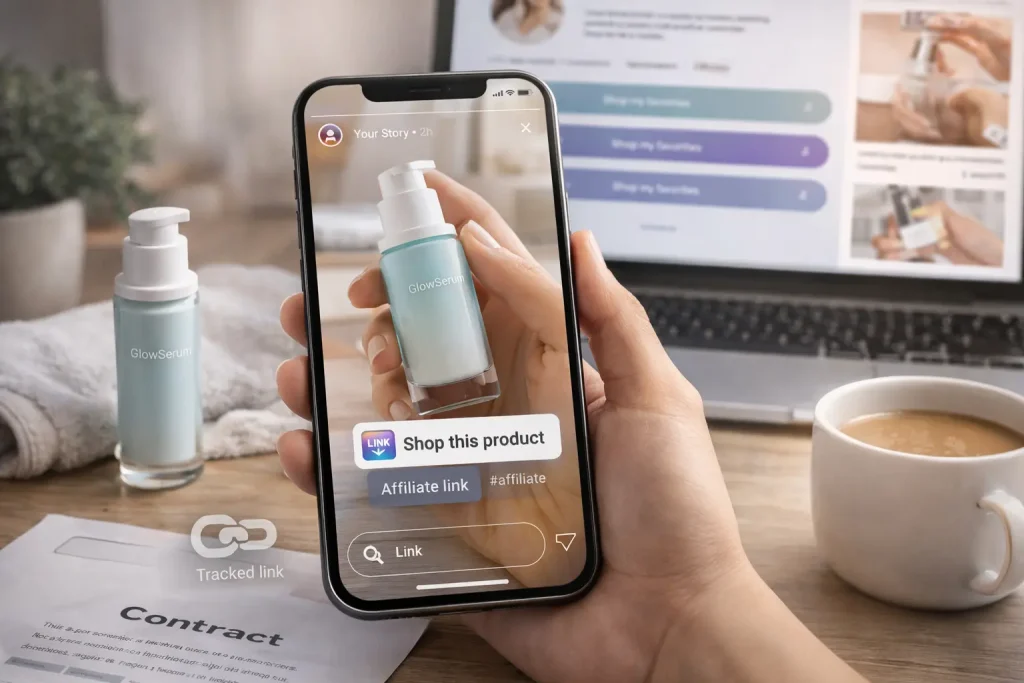
Affiliate marketing allows you to earn a commission by promoting products and sharing trackable links. It’s a scalable income method, especially for creators who regularly recommend tools, products, or services they genuinely use.
Best Placements for Affiliate Links
Instagram offers several strategic locations to share your affiliate URLs:
-
Link in bio: Use a tool like Linktree or Beacons to organize multiple affiliate links.
-
Instagram Stories: Add links using the link sticker, especially effective when paired with demos or limited-time offers.
-
Captions: While less clickable, captions can include short tracking links or promo codes.
-
Highlights: Create a permanent highlight like “My Favorites” or “Top Deals” that showcases affiliate content.
To increase click-throughs, create context-rich content around the link instead of just dropping the URL.
Affiliate Content Formats That Convert
High-converting formats include:
-
Mini reviews or demos in Reels or Stories
-
Tutorial carousels showing a step-by-step use of the product
-
Before-and-after visuals or real-life outcomes
-
User-generated content or testimonials (with permission)
Affiliate content works best when it doesn’t feel salesy. Make sure to explain how the product helped you or your audience.
Always disclose affiliate partnerships with hashtags like #affiliate or #ad, and avoid overloading your feed with promotions. Balance is key to maintaining trust.
Method 4: Sell Products on Instagram (Shops, Tags, Social Commerce)
Instagram has evolved into a powerful storefront for creators and businesses. Whether you sell physical products, merch, or handmade items, the platform offers several tools to promote and sell directly to your audience.
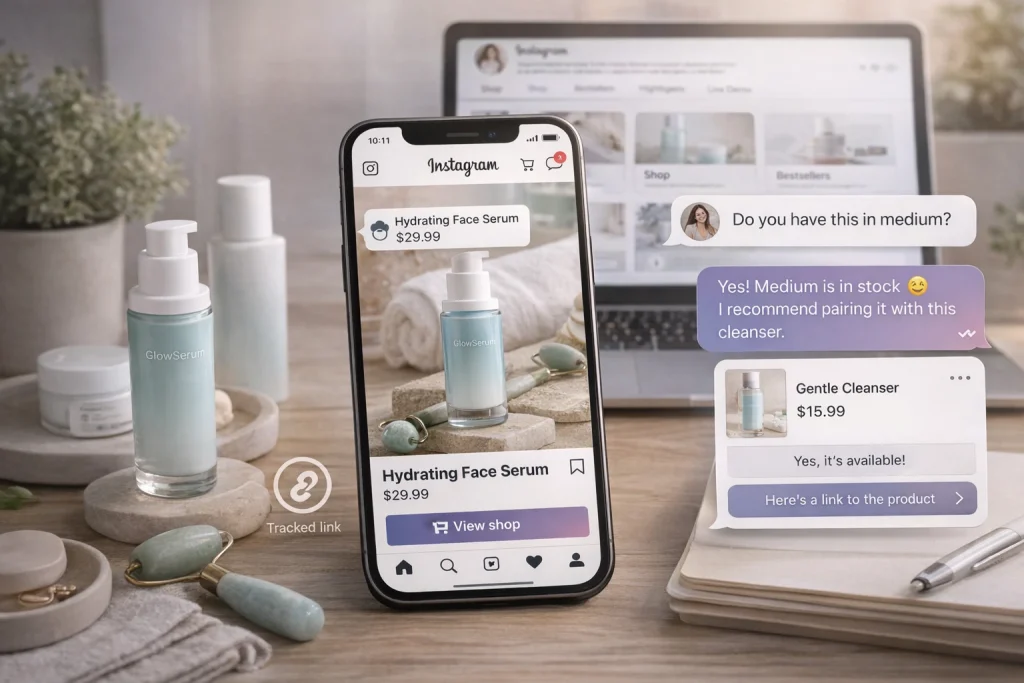
Instagram Shop Setup and Product Tagging
To enable shopping features:
-
Switch to a business or creator account
-
Connect to a Facebook Business Manager
-
Upload your product catalog via Meta Commerce Manager
-
Submit your account for Instagram Shop approval
Once approved, you can tag products in posts, Reels, and Stories. This makes your content shoppable and allows users to browse without leaving Instagram.
High-quality visuals, clear descriptions, and consistent branding increase conversion rates. Product photos should be bright, clean, and mobile-friendly.
DM-to-Sale Workflows and Trust Signals
If you’re not using Shops, you can still close sales through direct messages. Many small sellers use Instagram as a conversational storefront:
-
Post a product
-
Invite users to DM for details
-
Handle payments via PayPal, Stripe, or website checkout
To reduce friction and build trust:
-
List return/refund policies in Highlights or pinned posts
-
Show behind-the-scenes content or packing orders
-
Share testimonials from past buyers
Whether you use official Shops or manual workflows, consistency and customer support make the difference between a one-time buyer and a loyal follower.
Method 5: Sell Services (Coaching, Consulting, Done‑for‑You)
Instagram is an ideal platform for service-based entrepreneurs to attract clients and convert followers into paying customers. Whether you offer coaching, freelancing, strategy sessions, or done-for-you services, content and trust are your most valuable assets.
Packaging Offers and Call-to-Action Flows
Start by clearly defining what you offer and who it helps. Use your bio to communicate your niche and CTA—for example, “DM me ‘growth’ for a 1:1 Instagram strategy call.”
Use Reels, carousels, and Stories to:
-
Share client results or testimonials
-
Explain your service packages
-
Show snippets of your process or behind-the-scenes work
Your content should show both proof and personality, helping potential clients trust you before they ever reach out.
Offer structures can include:
-
Hourly consulting
-
Project-based packages
-
Monthly retainers
-
Discovery calls leading to custom quotes
Direct followers to book through DMs, a calendar link, or a contact form in your bio.
Proof and Positioning
What converts best isn’t a flashy sales pitch—it’s relatable transformation. Show before-and-after results, case studies, or brief story posts walking through how you helped a client.
Add Highlights labeled “Results,” “FAQ,” or “Work With Me” to make it easy for new visitors to learn about your services.
Make sure to regularly invite action, but in a way that feels helpful—not pushy.
Method 6: Digital Products + Subscriptions
Selling digital products and offering paid subscriptions is one of the most scalable ways to earn on Instagram. Once created, these assets can generate revenue repeatedly with minimal ongoing effort.
Digital Products (eBooks, Courses, Templates)
Creators in nearly every niche can monetize their knowledge or skills through:
-
eBooks or guides (fitness plans, niche how-tos)
-
Online courses or masterclasses
-
Lightroom presets, Notion templates, Canva designs
-
Downloadable tools like checklists or planners
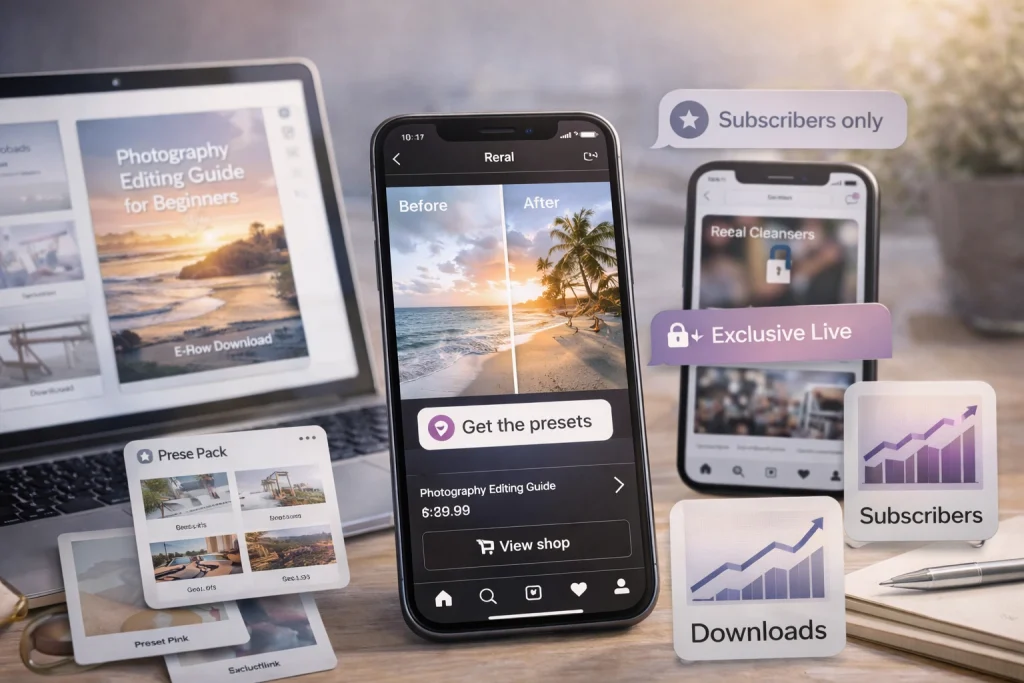
Use Reels and carousels to demonstrate the value of your product. A short Reel showing “before and after using my photo presets” or a walkthrough of a course module builds credibility.
Link to your product through your bio, Stories, or a landing page. Tools like Gumroad, Payhip, and Stan Store are popular among creators selling directly.
Be sure your product is polished, professionally designed, and easy to access on mobile.
Instagram Subscriptions
Instagram Subscriptions let followers pay a monthly fee for exclusive content. To qualify, you typically need:
-
A professional account
-
At least 10,000 followers
-
Compliance with Instagram’s Partner Monetization Policies
-
Location in a supported country
You can offer perks like:
-
Subscriber-only posts and Stories
-
Exclusive Reels or Lives
-
Behind-the-scenes content
-
Weekly templates, tutorials, or resources
Focus on recurring value. The most successful subscription creators consistently deliver helpful or entertaining content that’s worth the monthly fee.
Make it easy to subscribe by promoting the option regularly through Stories and posts. Show what subscribers get—and why it’s different from your free content.
Method 7: Built‑In Monetization Tools (Badges & Gifts)
Instagram offers two native monetization features—Badges during live streams and Gifts on Reels—that allow followers to support you directly. These are micro-donation tools designed for creators with engaged audiences.
Live Badges
When you go live, viewers can purchase badges in real time to show support. Each badge has a set price point: $0.99, $1.99, or $4.99.
Requirements:
-
Professional account
-
18 years or older
-
Live in an eligible country
-
Follow Instagram’s monetization and community policies
As viewers buy badges, heart icons appear next to their usernames during the stream. You’ll also be able to track badge purchases and payout amounts through your Professional Dashboard.
Use Lives to:
-
Host Q&As, tutorials, or casual check-ins
-
Promote products or digital launches
-
Engage subscribers and increase time-on-platform
Encourage badge support by thanking users in real time and offering shout-outs.
Gifts on Reels
Instagram allows viewers to send Gifts on eligible Reels using Stars, a virtual currency purchased in-app. Each gift translates into a small payout from Meta.
To qualify, you must:
-
Have a professional account
-
Meet follower and engagement thresholds (not publicly disclosed)
-
Enable Gifts in your Professional Dashboard
-
Publish original Reels that comply with platform policies
When you receive Gifts, Instagram notifies you, and your earnings are visible inside your Creator Dashboard. These tips are modest individually but can scale with volume.
Gifts and Badges work best when your content drives connection and appreciation. The more interactive and personal your content feels, the more likely fans will support you.
Method 8: UGC as a Paid Service (Even Without a Big Following)
User-Generated Content (UGC) is one of the fastest-growing income streams on Instagram, especially for creators with fewer followers. Brands are increasingly paying everyday creators to produce relatable, high-quality content that they can use in ads, on their own pages, or in campaigns.
What Is UGC (and Why It Pays)
Unlike traditional influencing, UGC doesn’t require you to post on your own profile. Instead, you create content—like product demos, testimonials, or unboxings—that the brand uses in its marketing. This lowers the barrier to entry and shifts the focus to content quality over audience size.
Well-shot UGC can earn anywhere from $50 to $500+ per video, depending on the deliverables, brand size, and usage rights.
How to Start Offering UGC
You don’t need thousands of followers—just skill with content creation and a relevant niche. To get started:
-
Build a UGC portfolio: Create mock content using products you already own
-
Highlight your work in a dedicated Instagram Highlight or Notion page
-
Pitch brands directly via email or Instagram DM
-
Sign up for UGC platforms like Billo, Trend, or Insense
Brands care about authenticity, lighting, clear messaging, and whether you can create content that aligns with their target audience.
Include basic pricing packages, turnaround time, and whether usage rights are included or extra. As with any deal, clarify expectations in writing before starting the project.
UGC lets creators monetize their skills without growing a massive following—just show you can deliver content that converts.
Payouts, Taxes, and How You Get Paid
Once you start monetizing on Instagram, it’s important to understand how payments are processed, how long they take, and what your responsibilities are for reporting income.
Setting Up Payouts
Instagram handles payments for built-in monetization tools (like Badges, Gifts, and Subscriptions) through Meta Pay. To receive payments, you’ll need to:
-
Set up a payout account via your Professional Dashboard
-
Provide personal or business tax info (e.g., W-9 in the U.S.)
-
Add a valid bank account for direct deposits
-
Reach a minimum payout threshold (usually $100)
Once those steps are complete, payouts typically arrive within 30 days after the end of the month in which the earnings were generated.
For off-platform income—like affiliate marketing, brand deals, or product sales—payment is handled through third-party systems (e.g., PayPal, Stripe, or bank transfer), depending on the service provider.
Taxes and Recordkeeping
If you’re earning money from Instagram, you’re operating as a business or independent contractor. That means you’re responsible for tracking your income and filing taxes appropriately.
Key steps:
-
Keep a spreadsheet or use accounting software to log payments
-
Save invoices or receipts for brand deals and product sales
-
Understand the difference between gross (total) and net (after expenses) income
-
In most countries, income above a certain threshold must be reported—even if it’s from tips or affiliate commissions
Consider consulting a tax professional if you’re unsure how to handle earnings from different sources. As your revenue grows, you may also need to track sales tax for products and set aside funds for quarterly tax payments.
Getting paid is the exciting part, but staying organized ensures your earnings are sustainable—and keeps you compliant.
Conclusion
Earning money on Instagram in 2026 is less about follower count and more about strategy. With the right mix of monetization methods—brand deals, affiliate marketing, products, services, or built-in creator tools—you can turn consistent content into real income.
Focus on one or two methods that match your niche, stay compliant with Instagram’s policies, and build trust with your audience. As your reach and engagement grow, so will your earning potential.
Monetization, Account Value, and Ownership Transitions
As Instagram monetization options grow, an account’s value is increasingly shaped by its niche, engagement quality, and earning potential, not just follower count. Accounts with clear or proven monetization paths are often assessed differently when owners consider selling, since future income depends on audience trust and platform compliance. In this context, InstaDeal operates as part of the ecosystem around buying and selling Instagram accounts, where understanding realistic account value matters; sellers can have their accounts evaluated to estimate a fair market price based on current performance and monetization factors. This helps align expectations when ownership changes are tied to long-term earning potential rather than short-term metrics alone.
FAQs: How to Earn Money on Instagram
Does Instagram pay you just for views?
Not directly; views help you monetize through tools (like Gifts/Badges where available) or through sponsors, affiliates, and sales.
Can you make money with 1,000 followers?
Yes—most often via affiliate links, small brand deals, UGC creation, or selling a service.
I have lots of followers but no income—why?
Because follower count alone doesn’t monetize; you need an offer (brand deals, product/service, affiliate strategy) and conversion-focused content.
Is the Creator Marketplace required to get sponsorships?
No; it can help discovery, but you can land sponsorships through outreach and external platforms.
Do I need a creator account or business account to monetize?
For most Instagram-native monetization features, you typically need a professional account (creator or business).
Can you make money without showing your face?
Yes—theme pages, tutorials, product demos, voiceover Reels, and UGC-style content can monetize without face-forward branding.

Benjamin Amiri
Benjamin Amiri is a digital growth consultant and senior contributor at InstaDeal. He specializes in Instagram engagement strategies, Facebook ads innovation, and TikTok product marketing. With a track record of scaling brands and creator accounts, Benjamin turns performance data into actionable growth tactics that deliver measurable results.