Why You Need a Niche on Instagram in 2025
In 2025, Instagram doesn’t reward variety—it rewards focus. With nearly 3 billion users and multiple algorithms determining what gets shown, creators who grow consistently aren’t posting a bit of everything. They’ve carved out a niche that teaches the system exactly who their content is for. When your posts revolve around a clear theme—like minimalist home hacks or skincare for sensitive skin—you help the platform push your content to the right people. That leads to better reach, stronger engagement signals, and more visibility across Reels, Explore, and suggested feeds.
A defined niche makes you easier to remember, easier to monetize, and easier to recommend. You attract brand deals, convert affiliate links, and build products around real demand. And here’s the kicker: it actually saves time. Clear focus means repeatable hooks, faster workflows, and less second-guessing. If someone scanned your profile for five seconds—could they tell what you’re about? If not, you don’t need a better posting schedule. You need a niche.
Beauty & Skincare — One of the Most Profitable Niches on Instagram
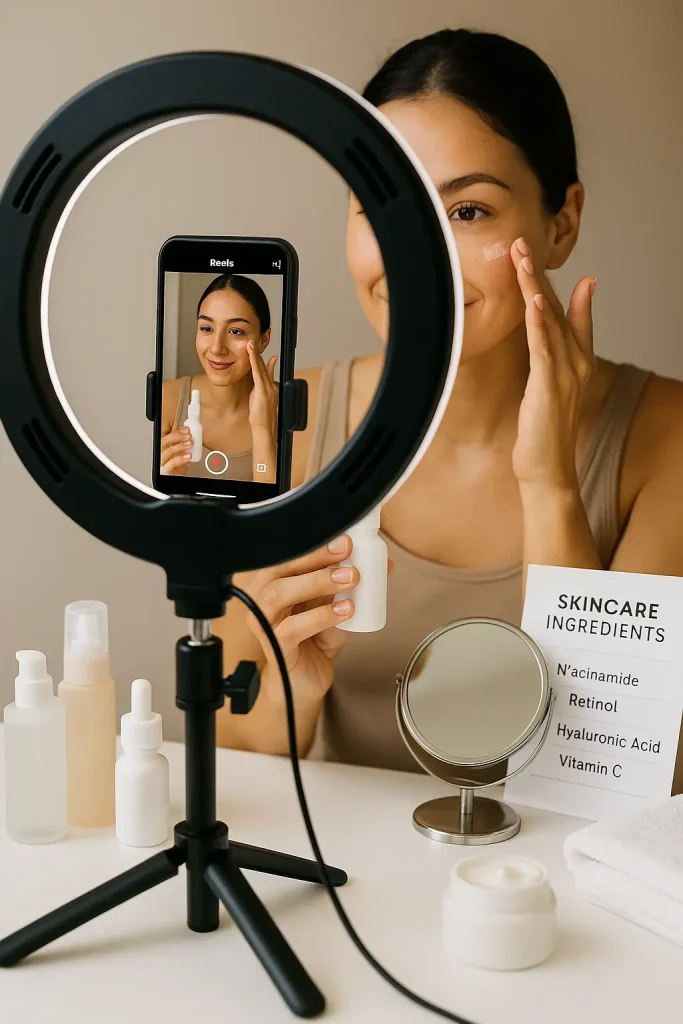
Beauty still pays because it maps cleanly to action. People watch a demo, trust the creator, and buy. That tight loop keeps getting fuel from Instagram’s ranking systems, which reward content that consistently hooks a specific audience (think: “over-40 sensitive-skin routines” or “ingredient-led K-beauty”). When your posts cluster around one clear theme, you earn more relevant distribution in Feed, Reels, and Explore. Instagram spells this out in its own guidance on how ranking works.
Zoom out. The category remains huge and resilient in 2025. McKinsey’s latest beauty outlook points to durable consumer demand, with skincare and hybrid “beauty-meets-wellness” products still expanding—even as budgets shift and winners look more targeted than mass. Translation for creators: niche down, speak to a specific skin concern or routine, and you’ll ride demand rather than chase it.
Monetization is straightforward, and you don’t need a massive audience to start. Three reliable tracks:
-
Affiliate + storefronts: LTK/ShopMy for higher-touch beauty links; Amazon Influencer for breadth and fast delivery. (Always follow Amazon’s program policies.)
- Paid partnerships + UGC: Brands buy short, tutorial-style clips and hands-on reviews because UGC drives believable conversions; even mid-tier creators land ongoing retainers.
- Your own products: routines, mini-guides, skin trackers, or presets. Social commerce keeps rising, and beauty is one of the categories people actually purchase after seeing content.
What wins post-2025 isn’t just glam. It’s clarity and proof. Ingredient explanations. Before/afters with lighting notes. A Reel that shows how to apply, then a carousel summarizing steps and shades. Link it. Tag it. Save-worthy education up front, monetization tucked in neatly—not the other way around.
Fashion & Style — Evergreen Top Instagram Niches with High Engagement
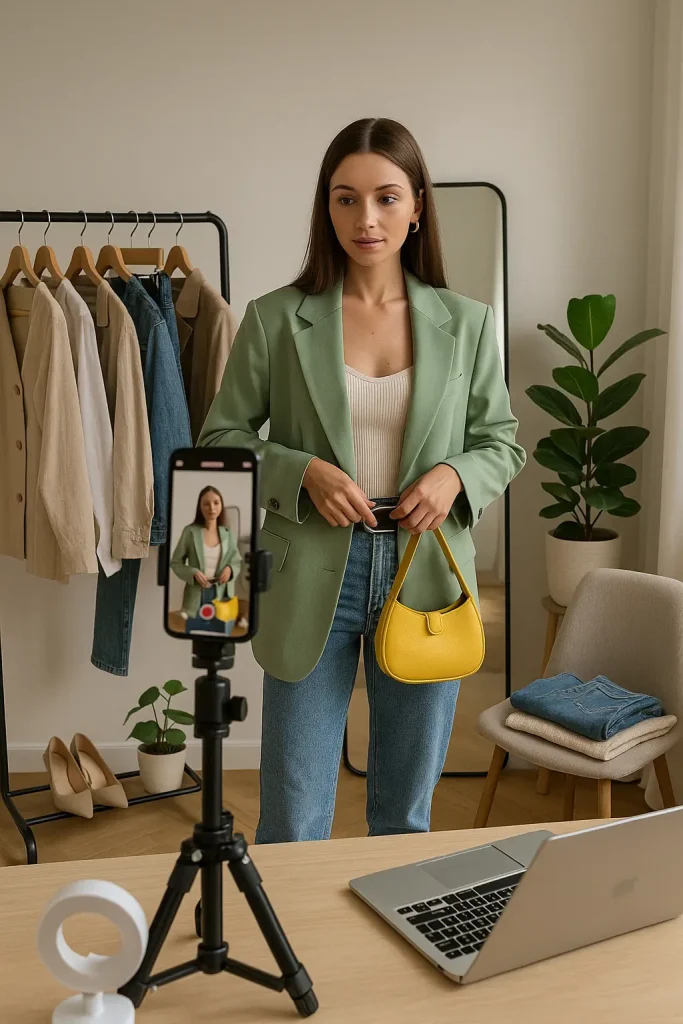
Fashion still wins on Instagram because it’s natively shoppable and endlessly refreshable. Trends cycle weekly. Audiences browse to buy. And the platform keeps rewarding clear topical focus and strong engagement signals (watch time, saves, shares), not random variety. That’s straight from Instagram’s own guidance on ranking and creator best practices.
What’s different in 2025? Two things. First, format fit. Reels drive discovery, but carousels consistently earn more saves—perfect for step-by-step fits, capsule wardrobes, or before/after styling. Smart accounts pair a quick Reel (hook + reveal) with a carousel breakdown and a pinned comment that routes to links. Benchmarks back this: carousels lead on saves across sizes. socialinsider.io Second, frictionless shopping. You can tag products in posts (including carousels) and get discovered by buyers who prefer to stay in-app; you don’t even need a full Shop to run ads with product tags. For fashion, that shortens the path from “like” to checkout.
Monetization paths are sturdy even in a cautious retail climate (fashion execs expect only modest growth this year). What works:
-
Product tagging + affiliates for daily outfits and staples (capsule, basics, footwear).
-
Creator Marketplace brand deals for launches and seasonal edits.
-
UGC retainers—vertical try-ons and styling clips produced for brands to run as ads. McKinsey & Company+1
Zoom out: social commerce’s share of online sales keeps climbing in 2025, and influencer budgets remain meaningful—fashion taps both streams. Case in point, fast-fashion players still lean heavily on creators for reach and conversion (see White Fox’s growth via influencer programs). Translation for you: niche down (e.g., “size-inclusive workwear,” “modest streetwear,” “sustainable sneakers”), align format to intent (Reel for reach, carousel for depth), and tag the product. That’s the flywheel.
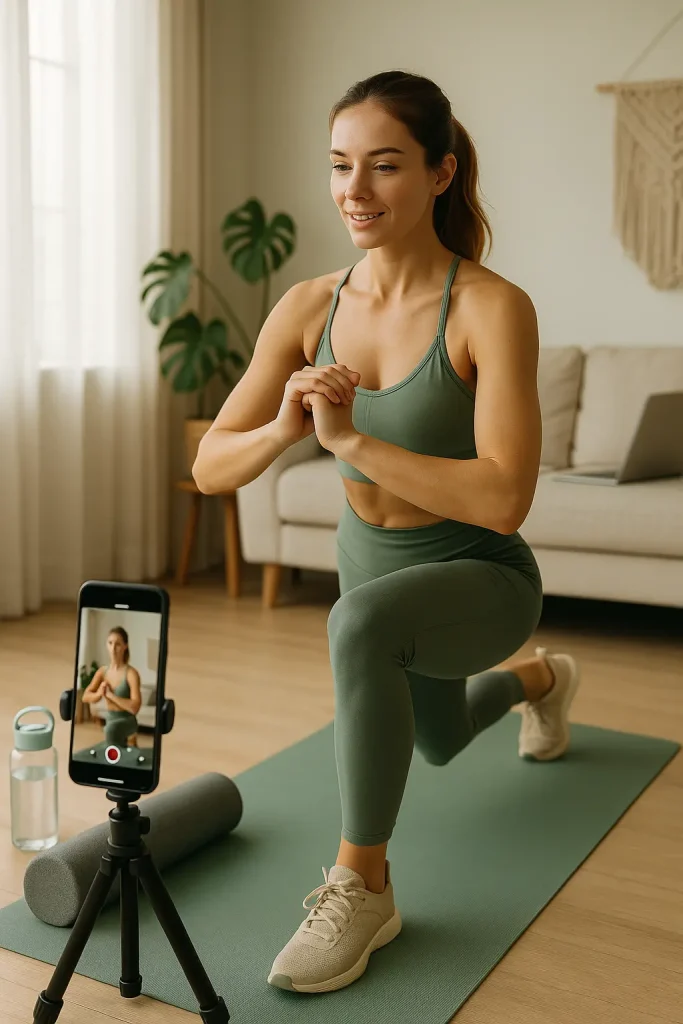
Health, Fitness & Wellness — Growing Instagram Niches for 2025
This niche prints results because demand is structural, not seasonal. Wellness is a $2T+ global market in 2025, with consumers treating health as a daily practice (sleep, stress, movement, nutrition). That means constant interest in practical routines, not just New-Year spikes. (McKinsey & Company)
On Instagram, focus beats variety. Accounts centered on a clear lane — mobility for desk workers, postpartum strength, low-impact fat loss, habit tracking — generate stronger ranking signals (watch time, saves, shares). Instagram itself says multiple algorithms rank content by predicted interest; consistent topical signals help you reach the right viewers in Feed, Reels, Explore. Reels drive discovery; Stories and carousels deepen intent and route to links.
Monetization is diversified and durable:
-
Programs & coaching: Cohorts, 1:1, or memberships layered with habit tracking.
-
Affiliates: Wearables and apps (the wearables market grew again in 2025, with IDC reporting strong shipment gains), plus supplements where allowed. Disclose clearly and follow local regs. my.idc.com
-
UGC retainers: Tutorial Reels and “how-to” clips produced for brands to run as ads.
-
Digital products: Macro calculators, mobility packs, grocery guides.
-
Shoppable posts: Tag products in videos/posts to shorten the click path when you do promote gear. Social Media Dashboard
Two tactical notes. First, ingredient-style clarity beats hype: show the movement, the cue, the common mistake, then the fix. Second, align offers to real behavior. Supplements are big business (global market ~$190–203B in 2024–2025 and growing), but the highest trust still comes from programs and proof-of-progress, not just pills. Use affiliates sparingly, lead with outcomes. Read this article from grandviewresearch for more insights.
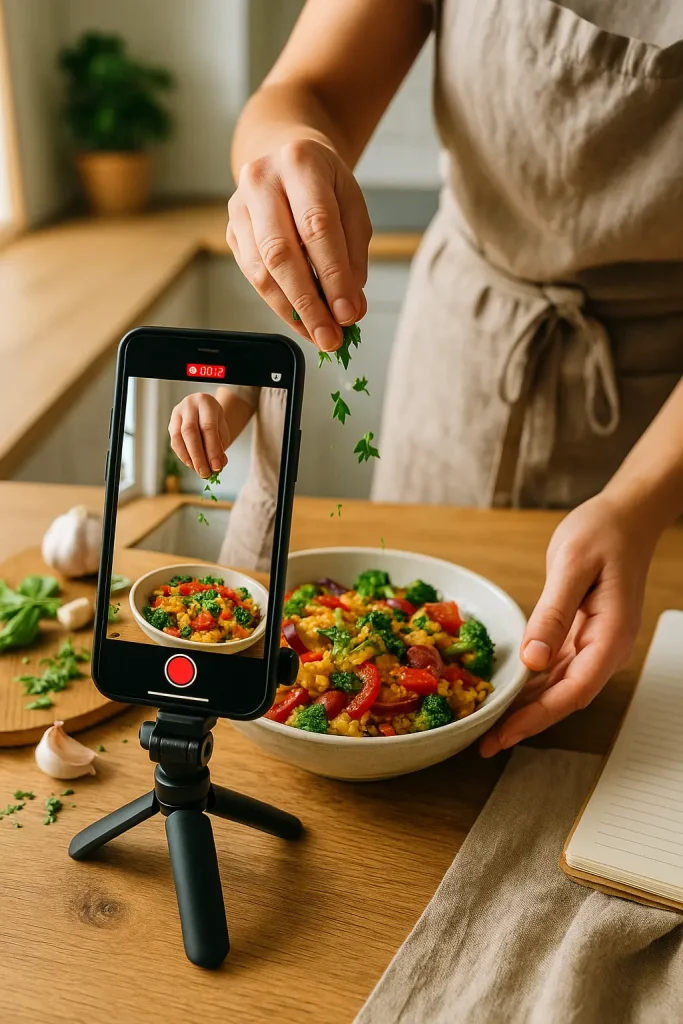
Food wins on Instagram because it’s fast to understand and easy to save. A 20–30 second Reel that shows the whole transformation (ingredient → plate) drives watch time and completions; a follow-up carousel with steps and swaps earns saves and shares. Those are exactly the signals Instagram’s ranking systems look for across Feed, Reels, and Explore—predictive interest, retention, and interactions—so recipe creators who format for reach (Reels) and depth (carousels) grow faster.
The category itself is durable. Recent research on food content finds it’s a major share of what people post and engage with across platforms—no surprise to anyone who’s ever scrolled dinner ideas at 6 p.m. That habitual, daily intent is why simple formats like “5-ingredient dinners,” “high-protein prep,” and “air fryer fixes” keep compounding saves and revisits.
Monetization is straightforward if you connect the dots from content to checkout. Three dependable tracks:
-
Brand partners + UGC: short, tutorial-style verticals for CPGs and meal kits (you produce native assets brands can run as ads). Pair those posts with clear “paid partnership” tags and keep the demo practical, not glossy.
-
Affiliate + social commerce: link cookware, pantry staples, and appliances; when eligible, tag products in posts/Reels and route shoppers to in-app checkout in supported regions. Less friction, more conversions.
-
Your own products: mini cookbooks, macro-friendly meal plans, grocery lists, or classes. These sell because they solve the exact problem your Reel just surfaced.
Two tactical notes. Keep lighting honest (over-polished food underperforms), and structure for saves: Reel for the “how,” carousel for the “recipe card.” If you want a data-driven edge, track saves per reach and completions as your north-star metrics—then double down on whatever meals people are bookmarking for later.
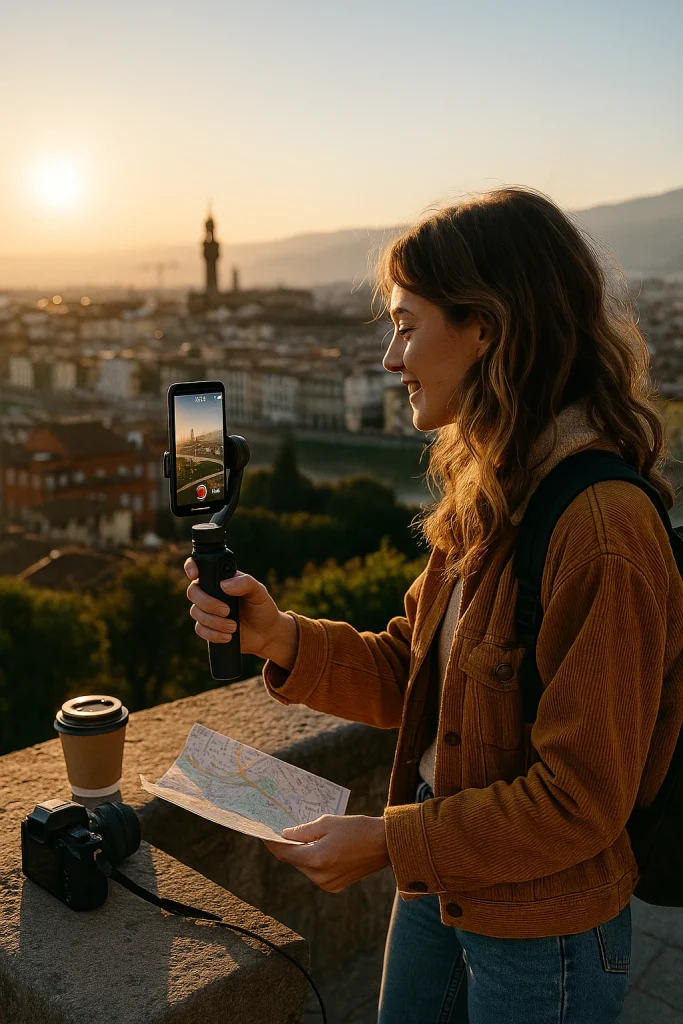
Travel & Micro-Travel — Trending Top Niches on Instagram This Year
Travel & micro-travel wins because discovery now happens on social. People plan weekends and short hops straight from Reels and carousels—quick vibe first, details second. The formats fit the behavior: a fast Reel sells the feeling; a carousel pins the route, must-dos, and costs. That combo drives saves, shares, and repeat views, which is exactly what the recommendation systems like. Micro-angles work best: “48 hours in X,” neighborhood guides, van-life loops, off-season hacks. Keep captions practical. Add map notes. Make it screenshot-friendly.
Money flows when you connect content to decisions. Four reliable paths:
1) UGC retainers for hotels/DMOs—shoot vertical walkthroughs they can run as ads.
2) Affiliates for cards, gear, insurance, and bookings tucked under itineraries.
3) Creator Marketplace campaigns for openings and seasonal pushes.
4) Own products—mini itineraries, packing lists, presets. Be transparent about hosted stays and prices. Credibility compounds, and in travel, trust converts faster than polish.
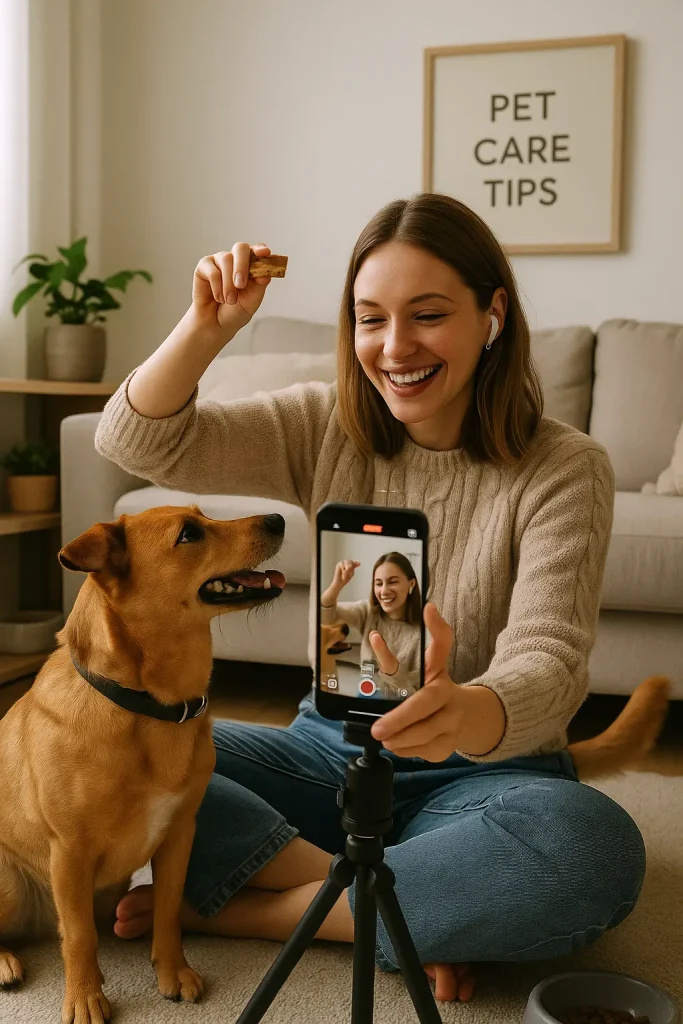
Pets & Animal Care — Cute, Loyal, and Profitable Instagram Niches
This niche prints dependable demand. Pet spending keeps climbing (the U.S. industry hit about $152B in 2024, with $157B projected for 2025) and brands chase that loyalty with real budgets. That tailwind touches food, treats, vet care, toys, training, even insurance. Translation: there’s constant appetite for educational care content, cute moments, and practical product picks that solve everyday problems.
On-platform, you don’t need a “celebrity pet” to monetize, but it’s proof the ceiling is high—@jiffpom still sits near 9M+ followers in 2025. What actually moves the needle now is specificity: breed-specific tips, enrichment routines, training myth-busters, senior-pet care, first-time cat parents. That focus earns the right signals (watch time, saves, shares) that Instagram’s ranking systems look for across Feed, Reels, and Explore. Format it smart: a crisp Reel for the “how,” then a carousel with steps, product tags, and safety notes.
Monetization methods:
-
UGC retainers: shoot vertical demos for pet brands (to run as ads). Creator-brand matchmaking is getting easier via Instagram’s Creator Marketplace (APIs rolling out broadly in 2025).
-
Affiliate + shoppable posts: link everyday gear and tag products inside posts/Reels to shorten clicks to checkout where supported.
-
Niche offers: training guides, breed-care checklists, enrichment plans. Rising pet insurance adoption also opens content angles (explainers convert to affiliate or partner campaigns).
Two quick cues that separate pros from the pack: disclose sponsorships clearly and prioritize welfare-first advice. Trust compounds. And in pet content, trust is what turns a cute scroll into a saved post, a share, and, eventually, a sale.
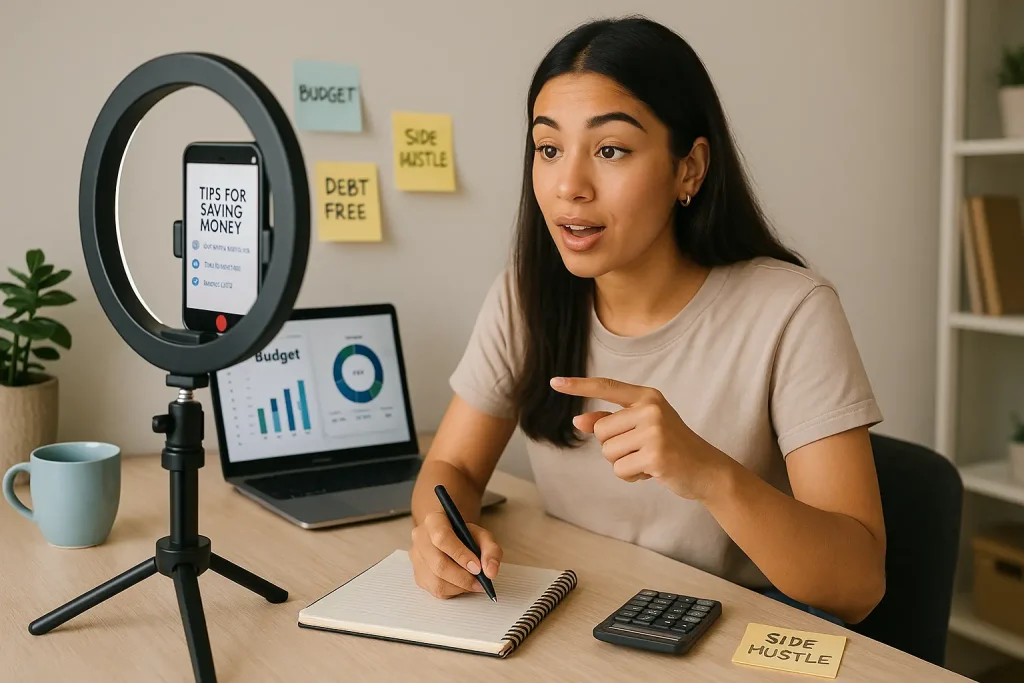
Personal Finance & Side Hustles — Fast-Growing Instagram Niches for Gen Z
Gen Z’s money stress is real in late 2025, which is why bite-size finance explainers travel fast. FICO’s new report shows Gen Z’s average score slid to 676 (biggest drop of any cohort), with student loans a key driver—so content that fixes cashflow, credit utilization, and “what to do before you miss a payment” earns saves and shares. Pair that demand with Instagram’s ranking logic (multiple algorithms boosting content that generates predicted interest, watch time, saves, and shares) and you’ve got a niche where checklists and short tutorial Reels outperform fluff. One more tailwind: BNPL usage and market size keep expanding in 2025, so “safer alternatives” and budgeting primers hit urgent intent.
How it pays? Tool affiliates (budgeting apps, brokerages, HYSAs), Creator Marketplace campaigns with banks/fintech, and tight courses or 1:1 coaching. Keep disclosures clean and route viewers to a free calculator or spreadsheet before pitching a product—trust converts. Also, 2025 brings broader Creator Marketplace API access, making brand matches faster for mid-size creators.

Tech, Tools & AI for Creators — New High-Income Niches on Instagram
Creators are going all-in on AI in late 2025, which keeps this niche surging. Adobe’s October survey found 86% of global creators now use generative/agentic AI across their workflows—so “show-me-how” tool demos and quick fixes have built-in demand. Pair that with Instagram’s multi-algorithm ranking (Feed, Reels, Stories, Explore) that favors predicted interest, watch time, saves, and shares, and you’ve got a perfect fit: a 20–45s Reel that solves one micro-problem, followed by a carousel that lists exact steps. Short-form remains a dominant attention format in 2025 across platforms, reinforcing the Reels-first approach.
Monetization (make it skimmable):
-
SaaS affiliates (recurring). Mature programs commonly pay ~30% recurring; notable outliers go higher (e.g., Notion listed at 50% recurring). Build tutorials → link the tool → collect residuals.
-
Creator Marketplace deals. Meta is opening up matching at scale: Instagram Creator Marketplace API goes GA Oct 1, 2025, streamlining paid tool partnerships for mid-tier creators.
-
UGC for ads. Brands buy vertical “how-to” clips they can run as paid—no posting required on your profile. (Great if you prefer production over influence.)
-
Courses, workshops, templates. Teach a narrow workflow (e.g., “caption cleanup with AI,” “podcast repurposing in 10 minutes”). Reels drive top-funnel; carousels convert with step lists.
-
Roundup content with affiliates. Tool stacks (“edit, caption, schedule”) convert well when each step solves a real bottleneck; disclose clearly. Benchmark pull lists show many SaaS programs offering 20–40% recurring.
Tactics that work now: hook with the outcome (“turn Zoom audio into captions in 30s”), show the exact clicks, pin the link path, and track completions and saves per reach as your north-star signals. Keep it useful, not hypey—the audience shares what saves them time or makes them money.
Common Mistakes That Kill Instagram Niche Accounts
First, no topical focus. Posting “a bit of everything” muddies the signals Instagram uses to recommend your content (Feed, Reels, Explore each use ranking models tuned to predicted interest, watch time, saves, and shares). Tighten your topic and format to help the system find look-alike audiences faster. Next, inconsistent cadence. You don’t need to post daily, but erratic bursts followed by silence reset audience expectations and hurt momentum—use a lightweight schedule and batch ahead. And the silent killer: undisclosed promos. If you’re paid or gifted, you must use Instagram’s branded content tools (Paid Partnership label/partnership ads). Non-disclosure erodes trust and risks enforcement.
Fix these fast with a few surgical changes:
-
Trend chasing without a POV. If every Reel is a template + trending audio, there’s nothing to remember. Anchor to pillars; teach one repeatable promise. (Algorithms reward content that consistently drives saves/shares.)
-
No shoppability in shopping-friendly niches. If you talk products but never tag them, you add friction. Enable product tagging for posts/Reels so viewers can act in one tap.
-
Ignoring collaboration mechanics. Collab posts pool engagement across profiles and often extend reach; many creators still don’t use them or invite too late. Plan Collabs at upload.
-
Over-automation, zero interaction. Schedulers are fine; abandoning comments/DMs is not. Algorithms read interactions as relevance signals, and your community notices.
-
Weak CTAs and leaky funnels. Great views, no action. Add a single next step (save, comment, link-in-bio, product tag) that matches the format’s intent. (Reels for reach; carousels for depth/saves.)
Bottom line: pick a lane, disclose clearly, reduce friction to buy/subscribe, and show up on schedule. The compounding effect is real—and measurable—in 2025.
FAQs About the Top Niches on Instagram in 2025
Does Instagram still use “one algorithm”?
No—Instagram runs multiple ranking systems across Feed, Reels, Stories, Explore.
What niches are clearly hot in late 2025?
Beauty/skincare, fashion & style, health/fitness, food, travel/micro-travel, pets, personal finance (Gen Z), and tech/AI-for-creators. These win because they map cleanly to purchase intent and save/share behavior—exactly what Instagram’s ranking systems amplify.
Are micro-niches really better than broad categories?
Yes. Instagram uses multiple ranking systems (Feed/Reels/Explore) that predict interest; tightly themed accounts produce stronger relevance signals and get suggested to look-alikes more often.
What formats work best for niche growth now—Reels or carousels?
Use both: Reels for discovery/reach; carousels for saves and depth.
Which niches are best for fast monetization?
Tech/AI tools (recurring SaaS affiliates), personal finance (fintech affiliates + coaching/courses), and faceless/theme pages (shoutouts/affiliates/digital products).
Which niches feel saturated for new creators?
Broad fashion/beauty, generic fitness, and generic “make money online.” Community threads echo this—success comes from sub-niches (e.g., sustainable sneakers; postpartum strength; creator-specific finance) and utility-first content.
Are “faceless” theme pages still viable in 2025?
Yes, for curation-led niches (quotes, facts, luxury moodboards), but rights management matters—don’t repost without permission.

Ali Afshar
Ali Afshar is the co-founder and writer at InstaDeal. With a background in social media data analysis and trend forecasting, Ali creates evidence-driven insights to help brands, influencers, and entrepreneurs grow faster and smarter online.